
Brain Health and Alzheimer's Awareness: What You Need to Know

Brain health and Alzheimer's awareness have never been more important. As the global population ages and the number of people living with dementia continues to rise, understanding how to protect the brain; and recognizing the early signs of Alzheimer's disease has become one of the most pressing public health priorities of our time. Whether you are concerned about your own cognitive health, caring for a loved one, or simply looking to learn more, this guide offers a comprehensive look at what brain health and Alzheimer's awareness means in practice.
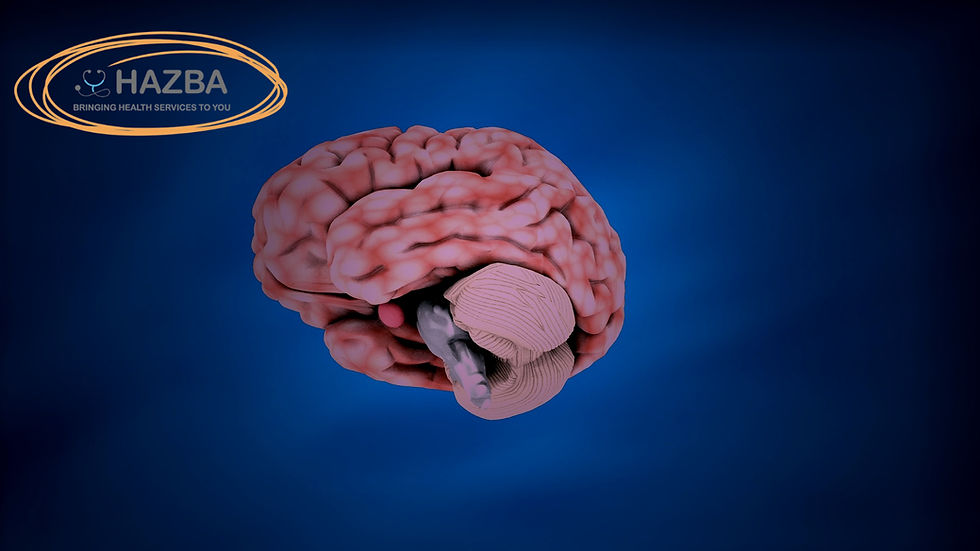
Why Brain Health and Alzheimer's Awareness Matters
The brain is the most complex organ in the human body. It controls thought, memory, emotion, movement, and every vital function that keeps us alive. Yet despite its central role in everything we do, brain health is often overlooked until something goes wrong.
Brain health and Alzheimer's awareness encourages a proactive approach, one that prioritizes protecting cognitive function throughout every stage of life, not just in old age. Alzheimer's disease, the most common form of dementia, affects more than 55 million people worldwide, a number projected to nearly triple by 2050 if no significant medical breakthroughs occur. In the United States alone, more than six million people are currently living with Alzheimer's, and a new diagnosis is made every 65 seconds.
These numbers are sobering, but they are also a powerful argument for why brain health and Alzheimer's awareness deserves attention, funding, and urgent action — both at a societal level and in our own daily lives.
What Is Alzheimer's Disease?
At the heart of brain health and Alzheimer's awareness is a clear understanding of what Alzheimer's disease actually is. Alzheimer's is a progressive neurological disorder that causes the brain to shrink and brain cells to die. It is the most common cause of dementia, a broad term for the decline in memory, language, problem-solving, and other cognitive functions severe enough to interfere with daily life.
Alzheimer's disease is not a normal part of aging. While the risk does increase with age, it is not inevitable. The disease is characterized by the abnormal buildup of two proteins in the brain: amyloid plaques, which accumulate between nerve cells, and tau tangles, which form inside dying cells. These changes disrupt communication between brain cells and trigger inflammation, gradually destroying the brain's ability to function.
The progression of Alzheimer's typically moves through three broad stages. In the early stage, symptoms may be mild and easy to dismiss — occasional forgetfulness, difficulty finding words, or trouble with familiar tasks. In the middle stage, symptoms become more pronounced, affecting memory, behavior, and the ability to perform daily activities independently. In the late stage, individuals require full-time care as the disease affects physical functions including swallowing, mobility, and bladder control.
Recognizing the Early Warning Signs
A cornerstone of brain health and Alzheimer's awareness is the ability to distinguish normal aging from early signs of disease. It is natural to become more forgetful as we age — misplacing keys, forgetting a name, or losing track of what day it is happens to everyone. But Alzheimer's warning signs are different in nature and frequency.
Early signs to watch for include:
Memory loss that disrupts daily life. Forgetting recently learned information, asking the same questions repeatedly, or relying heavily on memory aids for things that were once routine are all potential red flags.
Difficulty with problem-solving or planning. Trouble following a familiar recipe, managing finances, or keeping track of monthly bills may indicate early cognitive changes.
Confusion with time or place. People with early Alzheimer's may lose track of dates, seasons, or the passage of time, and may forget where they are or how they got there.

Withdrawal from social activities. A noticeable retreat from hobbies, social engagements, or work projects — particularly when accompanied by other cognitive changes — warrants attention.
Changes in mood or personality. Increased anxiety, confusion, suspicion, or depression, especially in unfamiliar situations, can be early indicators of Alzheimer's disease.
Brain health and Alzheimer's awareness empowers individuals and families to recognize these signs early and seek medical evaluation promptly. Early diagnosis does not yet mean a cure, but it does mean more time to plan, more access to treatments that can slow progression, and a greater opportunity to participate meaningfully in care decisions.
Protecting Your Brain: Lifestyle Habits That Support Cognitive Health
One of the most encouraging aspects of brain health and Alzheimer's awareness is the growing body of research showing that lifestyle choices can meaningfully influence cognitive health. While there is currently no guaranteed way to prevent Alzheimer's disease, several habits have been consistently linked to a lower risk of cognitive decline.

Stay physically active. Regular aerobic exercise — such as walking, swimming, or cycling increases blood flow to the brain, promotes the growth of new brain cells, and has been shown to reduce the risk of cognitive decline. Aim for at least 150 minutes of moderate exercise per week.
Eat a brain-healthy diet. The Mediterranean and MIND diets, both rich in vegetables, fruits, whole grains, fish, nuts, and olive oil, have been associated with better cognitive outcomes and a reduced risk of Alzheimer's disease. Limiting red meat, processed foods, and added sugars supports both brain and cardiovascular health.
Prioritize quality sleep. Sleep is when the brain clears out toxic waste products, including amyloid proteins linked to Alzheimer's. Chronic sleep deprivation is associated with a higher accumulation of these proteins over time. Most adults need seven to nine hours of quality sleep each night.
Keep your mind engaged. Lifelong learning, mentally stimulating activities — such as reading, puzzles, learning a new language, or playing a musical instrument — and social engagement all support cognitive resilience. Brain health and Alzheimer's awareness highlights the concept of cognitive reserve: the brain's ability to adapt and compensate for damage, which is strengthened by an active and engaged mind.
Manage cardiovascular risk factors. High blood pressure, high cholesterol, diabetes, and obesity are all linked to an increased risk of Alzheimer's disease. Managing these conditions through medication, diet, and exercise protects not only the heart but the brain as well.
Avoid tobacco and limit alcohol. Smoking damages blood vessels throughout the body, including those supplying the brain. Heavy alcohol consumption is also associated with cognitive decline. Quitting smoking at any age and moderating alcohol intake are meaningful steps toward better brain health.
The Role of Community and Advocacy
Brain health and Alzheimer's awareness is not just a personal responsibility — it is a community effort. Advocacy, fundraising, and public education play a vital role in driving research forward and supporting the millions of families affected by Alzheimer's disease worldwide.
Supporting organizations dedicated to Alzheimer's research, participating in awareness campaigns, and having open conversations with family members about cognitive health all contribute to a broader cultural shift — one that treats brain health with the same urgency and seriousness as heart health or cancer prevention. Caregivers, too, deserve recognition and support. The demands of caring for someone with Alzheimer's are profound, and connecting with support groups, respite care services, and mental health resources is an essential part of the broader brain health and Alzheimer's awareness conversation.

A Healthier Brain Starts Today
Brain health and Alzheimer's awareness reminds us that the choices we make today — how we eat, move, sleep, connect, and engage — have a direct impact on the health of our brains for decades to come. Alzheimer's disease is not inevitable, and while a cure remains the ultimate goal, prevention, early detection, and compassionate care can make an enormous difference in the lives of those affected.
If you are concerned about your own cognitive health or that of a loved one, speak with a healthcare provider. Seek out reputable resources, stay informed, and commit to the daily habits that protect your most vital organ. Brain health and Alzheimer's awareness begins with a single conversation — and that conversation starts now.
Comments